



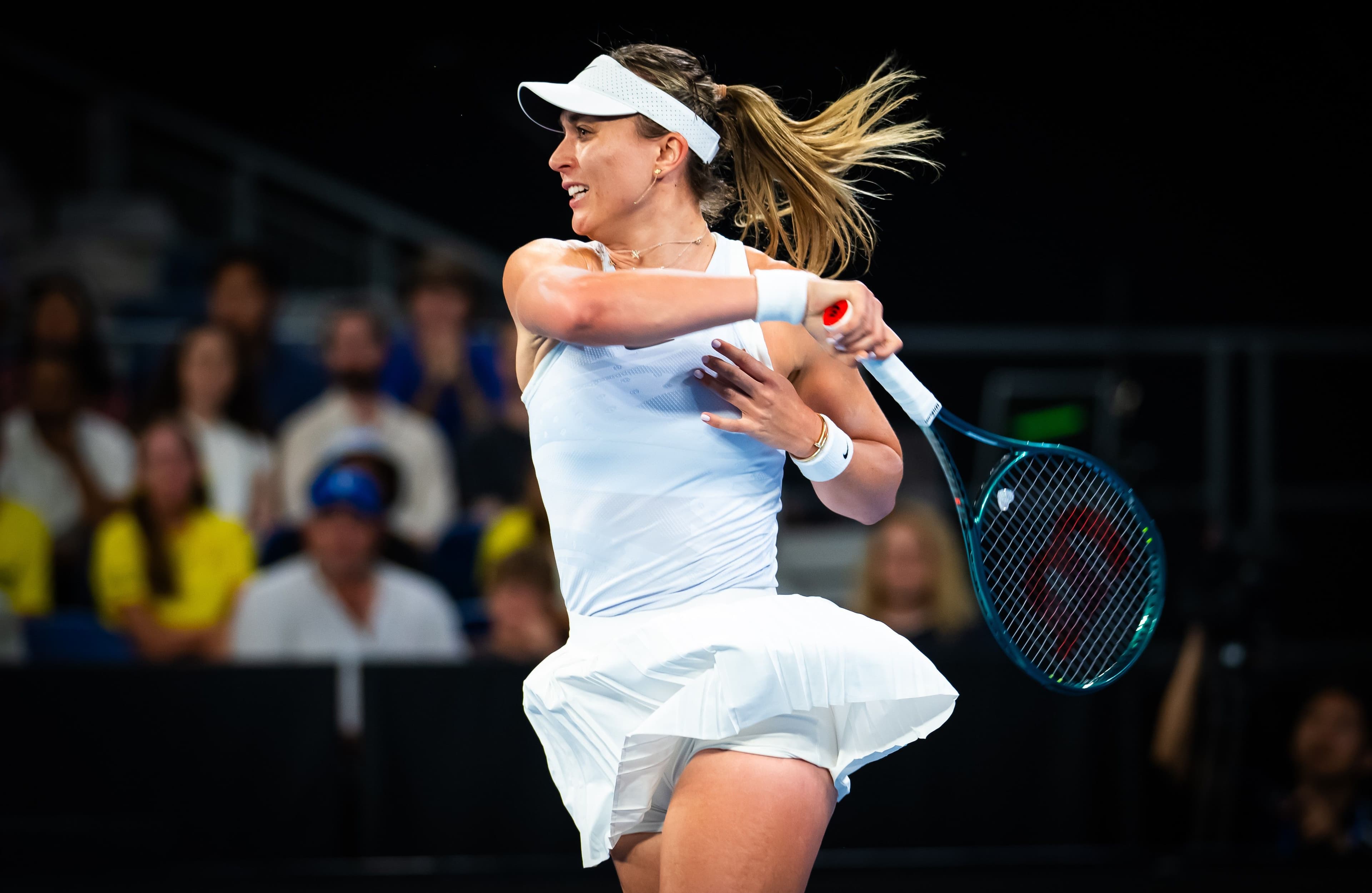
Spin is one of the defining elements of modern tennis. Whether you’re whipping a topspin forehand that kicks up high or slicing a backhand that skids low and stays out of reach, spin gives you control, variation, and a competitive edge.
At Luxilon, we know the impact that string can have on spin. From the type of string to its tension, gauge, and how it's strung in your racquet, every detail can enhance or hinder your ability to shape the ball. This guide breaks down how string selection and tension impact spin, and how to pair the right gear with proper technique for maximum effect.
The Role of Strings and Tension in Generating Spin
Shaped and Textured Polyester Strings
Strings with shaped or textured surfaces give the ball something to bite into. Hexagonal, pentagonal, or twisted sting profiles increase contact with the ball’s felt, helping you brush and grip the ball for extra topspin or slice. Our ALU Power Spin string, with its pentagonal shape, is a prime example. If you’re after more grip and a bit of softness, ALU Power Rough adds texture that helps the string grab the ball on impact, giving you that extra edge on spin-heavy shots.
String Snapback
Snapback is where polyester strings really shine. As the mains slide and then snap back into place after contact, they generate rotational energy that translates into spin. The slicker the coating, the faster the snapback. Strings like our Luxilon 4G Rough or Element have this built in. They’re designed to move and rebound efficiently, giving your shots more kick without needing to swing harder.
String Gauge
String thickness matters too. Thinner gauges (like 1.25mm or 17G) dig deeper into the ball for more grip but may wear out faster. Thicker strings (like 16G or 1.30mm) give you more durability but slightly less bite. Luxilon strings come in a range of gauges, letting you pick your balance between spin potential and long-lasting performance. If you're an aggressive baseliner, something like Big Banger Original 1.30mm gives control and stability without giving up too much feel.
Hybrid Setups
Not ready to go full polyester? Hybrid setups offer a middle ground. Pairing a polyester main string with a softer cross, like natural gut or a multifilament, can give you spin with a bit more comfort. Our Luxilon Natural Gut string pairs beautifully with our co-poly strings for players who want a more arm-friendly ride without sacrificing performance. It's a favorite among touring pros who demand both power and precision.
String Tension
Lower Tension = More Spin Potential
String tension significantly affects string movement and ball dwell time. Lower tensions (typically in the 48–53 lb range) allow strings to move more freely, which increases snapback. This creates a trampoline effect, letting the strings dig into the ball longer and release it with more spin. Lower tension also provides more power, but control can be reduced if tension is too low for your skill level.
Look at String Pattern
The layout of your racket’s string bed plays a supporting role. Open patterns like 16x19 offer wider gaps between strings, allowing for more movement and better grip on the ball. This increases spin potential, especially on topspin-heavy shots. Denser patterns like 18x20 offer greater directional control but limit string movement, making them less spin-friendly.
String Stiffness and Tension Maintenance
Stiffer strings (usually polyesters) maintain tension better than softer ones, but they can become harsh over time. As strings lose tension and wear out, their ability to snap back decreases. For spin-dependent players, restringing regularly, every 10–15 hours of play or once a month, is essential to maintain performance.
Technique Basics for Maximizing Spin
Even the best strings can't make up for poor technique. Here’s what every spin-focused player needs to master:
Racket-Head Speed
Spin thrives on speed. The faster your racket head moves through the contact zone, the more spin you can generate. This doesn’t mean swinging wildly. Speed must be controlled and paired with solid timing.
Swing Path
- Topspin: Use a low-to-high motion, brushing up and across the back of the ball. The steeper the upward path, the more topspin you’ll generate, especially when combined with fast racket-head speed.
- Slice: Use a high-to-low, slightly diagonal path, brushing underneath and across the ball. Aim to "carve" the ball rather than chop at it, which produces more consistent underspin.
Contact Point and Racket Face Angle
For topspin, make contact slightly in front of your body with a closed racket face (angled slightly downward). For slice, meet the ball earlier with an open racket face (angled slightly upward), helping the strings catch the bottom of the ball.
Consistency and Precision
Heavier topspin helps shots dip inside the baseline, while slice can neutralize fast-paced exchanges or force low bounces. However, consistency only comes from disciplined footwork, clean timing, and regular practice. Strings and gear can support your efforts, but spin starts with your swing.
At a Glance
| Factor | Topspin/Slice Impact | Recommendations |
| String Type | More bite & snapback = more spin | Shaped/textured polyester strings |
| String Gauge | Thinner = more bite | 17G or thinner for max spin |
| String Tension | Lower = more string movement | 48–53 lbs (adjust for control) |
| String Pattern | Open = more spin | 16x19 or similar |
| Racket-Head Speed | Faster = more spin | Accelerate through contact |
| Swing Path | Brushing motion = more spin | Low-to-high (topspin), high-to-low (slice) |
| Contact Point | In front, angled racket face | Closed (topspin), open (slice) |
Final Tips
- Experiment Smartly: Adjust string tension in small increments (2–3 lbs at a time) to fine-tune your balance between spin, comfort, and control.
- Maintain Your Strings: Strings lose elasticity and bite over time. If you're noticing less spin or a “dead” feeling on contact, it’s time to restring.
- Prioritize Technique: No string setup can replace proper form. Spin starts with how you move and strike the ball, not just what’s in your racquet.
- Combine Elements: The magic happens when string choice, tension, swing path, and racket-head speed all work together.
With the right combination of technique and string setup, you can turn every shot into a weapon, creating topspin that pushes opponents back or carving a slice that keeps them off balance. Master these tools, and you’ll be adding variety, control, and confidence to your game with every swing.