



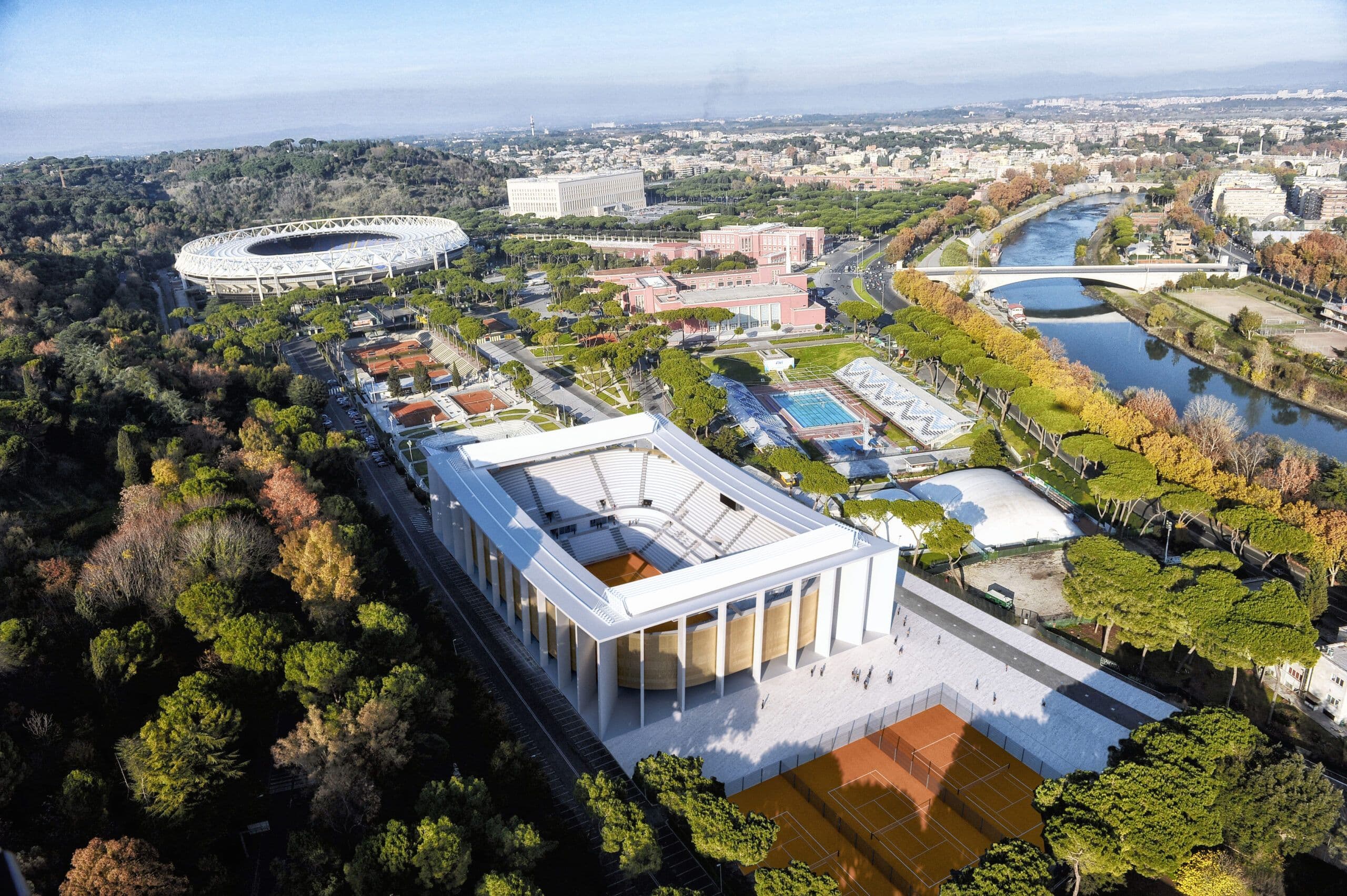
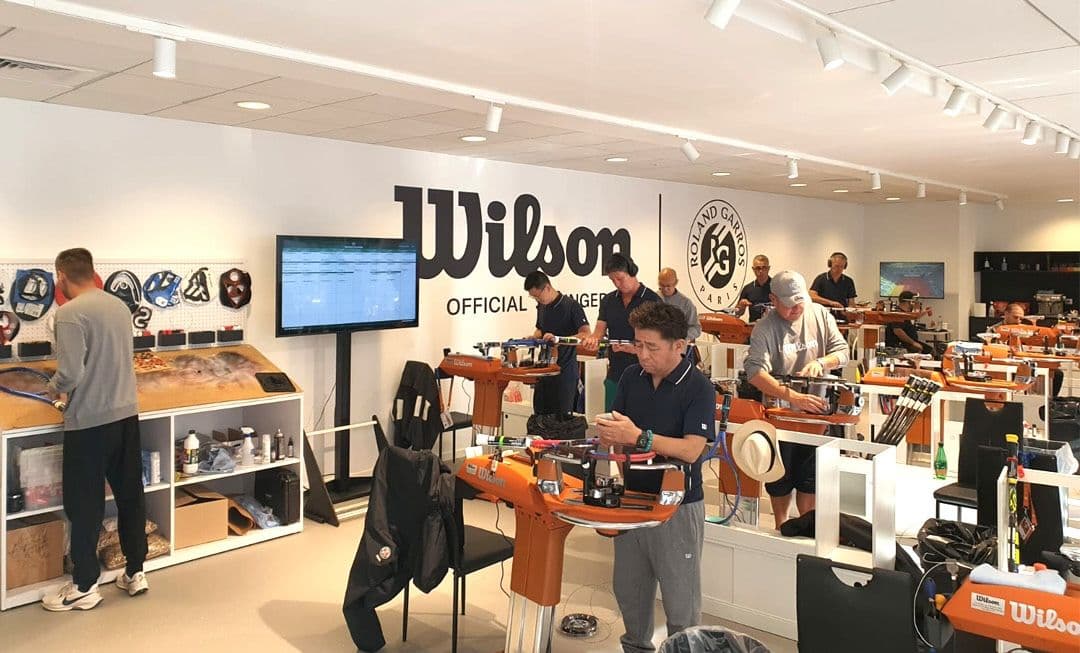
While the global tennis headlines are currently dominated by a heated revenue dispute in Paris, the atmosphere at the Foro Italico tells a different story of support, investment, and technical excellence. Last week, we went behind the scenes into the high-pressure heart of the tournament: the Wilson/Luxilon stringing room at the Italian Open.
It is here that the financial disparity mentioned by Italian Tennis Federation President Angelo Binaghi becomes tangible. Combined 1000 events like Rome don't just offer a higher revenue share (22% compared to the alleged 14.3% at Roland Garros); they invest heavily in the technical ecosystem that allows superstars like Jannik Sinner, Aryna Sabalenka, and Coco Gauff to perform at their physiological limits.
The "Support Hub": Where Welfare Meets Performance
In a season where players are unified in their fight for better representation and health options, the stringing room represents the "silent" player welfare sector. While the public focus is on prize money percentages, the players are equally concerned with the infrastructure that sustains their careers.
In Rome, we saw firsthand how that 22% investment manifests in the technical sector.
1. Precision in the Roman Humidity
Clay court tennis is a game of millimeters, and in the heavy, humid air of the Foro Italico, equipment behavior changes by the hour. Tension stability is a health issue. When a string bed loses its "life" or elasticity due to the damp conditions, it stops doing the work for the player. To compensate for a lack of depth, a player must over-swing, placing immense torque on the wrist, elbow, and shoulder. In the Wilson/Luxilon room, stringers work with surgical precision to ensure that every racquet leaving the room provides the exact energy return needed to protect the athlete’s body.
2. The Luxilon Standard
By providing world-class stringing services on-site, Luxilon ensures that players aren't just getting paid more in Rome, they are getting the technical support required for a long-term career. Our proprietary liquid-crystalline polymer technology is engineered to hold tension even as the thermometer climbs, providing the "connectedness" that players like Jannik Sinner, who just made history with his fifth consecutive Masters 1000 title in Madrid, rely on to dictate play.
Bridging the Competitive Gap
The current dispute isn't just about the paycheck; it's about the "competitive disparities" that Binaghi highlighted. When a tournament invests in its technical sector, it levels the playing field.
We saw this in Rouen, where Marta Kostyuk secured her first clay title of 2026. Her success was a masterclass in the high-RPM game that thrives on red dirt. That level of spin is only possible when the strings provide maximum lateral displacement (the "snap-back"). In Rome, our stringers ensure that every setup is optimized for this effect, allowing players to turn a defensive slide into an offensive winner.
A Blueprint for the Future?
As Binaghi campaigns to turn the Italian Open into a Fifth Grand Slam, he is pointing toward a new model of tennis governance, one where the players aren't just "contractors" but partners in a modernized system.
The demands for a 22% share are about bringing the Slams into line with the 1000-level standard. Whether it’s Sinner’s clinical baseline game or Sabalenka’s raw power, the entertainment value they generate is undeniable. The support they find in the Luxilon room in Rome is a benchmark for the "respect" and "investment" they are currently fighting for on the global stage.
As the tour moves toward the potential showdown in Paris on May 24, one thing is certain: the road to the title is paved in red dirt, but it is built in the stringing room.
Other posts
The Paris Heat Wave: Inside the High-Pressure World of the Roland Garros Stringing Room
May 27, 2026
Learn more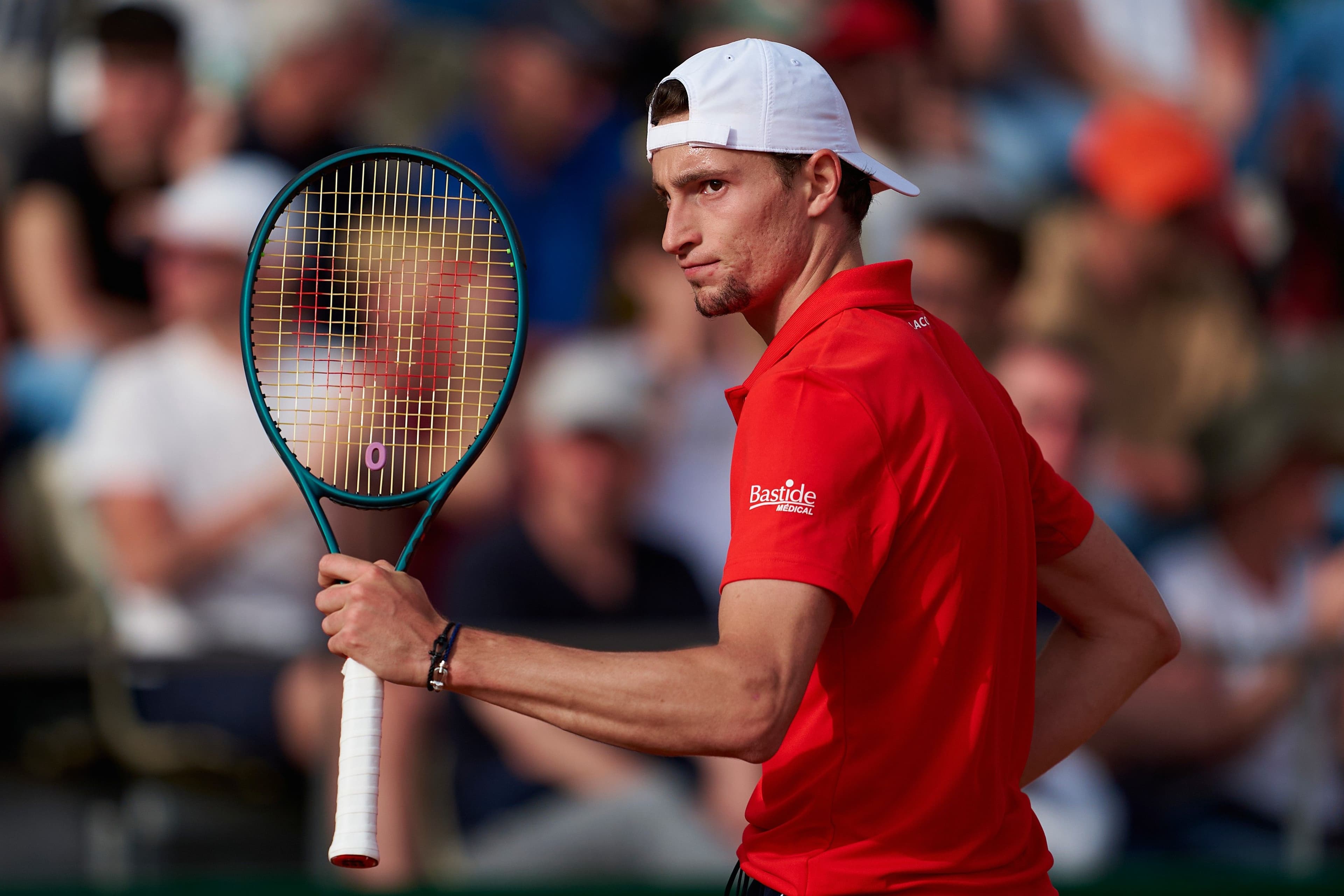
Poly, Hybrid, or Multifilament? How to Choose the Right String Setup for Your Game
Dec 17, 2025
Learn more